
JournalE-bikes & the lawData story
Class 2 vs Class 3 e-bike: pick the right one before California picks for you
- Written byMahmoud Alsammar, Owner, Cyber City
- Fact-checked byRyan Alali · Reviewed
The 30-second version
A Class 2 e-bike has a throttle and the motor stops helping at 20 mph. A Class 3 helps only while you pedal, up to 28 mph, needs a speedometer, a rider 16 or older and a helmet on every rider. Pick Class 2 for starts, short trips and Orange County’s paved park bikeways (Class 1 and 2 only); pick Class 3 for longer road commutes.
- Class 2 help stops at 20 mph , throttle allowed
- Class 3 help stops at 28 mph , pedaling only, with a speedometer
- Class 3 rider age 16 and older
- OC Parks paved bikeways 75 + miles, Class 1 and 2 only
- Motor limit, every class 750 watts
Class 2 vs Class 3 e-bike: the choice that decides where you can ride
In one lineSame 750 watts, different rules: the class sets your speed, your age line, your helmet and your trails.
You found the bike. Great color, big battery, a top speed that looks amazing in the listing. Then one word stops you cold: Class 2. Or Class 3. Search it and the internet hands you twelve answers, ten of them wrong.
Here is why it matters more than the paint. In California, the class is not a marketing sticker. It decides how fast the motor helps, whether a throttle is allowed, who is old enough to ride, who has to wear a helmet and which trails let you in.12 Pick wrong and you find out the expensive way: a Class 3 your 15-year-old can’t legally ride, a commute stuck at 20 mph when you wanted 28, or a Sunday on the Santa Ana River Trail where your bike isn’t on the list.
This guide settles the class 2 vs class 3 e-bike question in about eight minutes. Our California e-bike laws guide covers every rule; this one goes deep on a single decision: which class fits your life in Orange County.
What is the difference between a Class 2 and a Class 3 e-bike?
In one lineClass 2 has a throttle and stops helping at 20 mph. Class 3 is pedal-only up to 28 mph, with a speedometer.
Start with what they share. Every e-bike in California has fully operable pedals and a motor of no more than 750 watts.1 Under that roof sit three classes, and Vehicle Code Section 312.5 spells out each one:1
- Class 1 helps only while you pedal, can’t move the bike on motor power alone, and stops helping at 20 mph.1
- Class 2 has a motor that may move the bike all by itself, so it can carry a throttle, and it gives no help once you reach 20 mph.1
- Class 3 helps only while you pedal, stops helping at 28 mph, and must be equipped with a speedometer.1
So the class 2 vs class 3 e-bike decision is a trade, plain and simple. Class 2 gives you the throttle: press it and the bike moves without a single pedal stroke. Class 3 gives you 8 more miles per hour of help, and asks you to keep pedaling for every one of them.1
| Class | How the motor helps | Help stops at | Speedometer | Rider age |
|---|---|---|---|---|
| Class 1 | Only while you pedal | 20 mph | Not required | No Class 3 age line |
| Class 2 | Pedaling, or a throttle on its own | 20 mph | Not required | No Class 3 age line |
| Class 3 | Only while you pedal | 28 mph | Required | 16 and older2 |
| Item | Value |
|---|---|
| Class 2, with a throttle | 20mph |
| Class 3, pedaling only | 28mph |
Both classes: a motor of 750 watts or less. Source1
Go deeperWalk mode, and the throttle trap on a Class 3
One detail trips people up. A Class 1 or Class 3 may have start assistance or a walk mode that moves the bike on motor power alone, up to 3.7 mph.1 That little push off the line, or up a ramp while you walk beside the bike, is not a throttle in the Class 2 sense and does not change the class.
Past that, a Class 3 is pedal-only by definition: it is “not capable of exclusively propelling the bicycle.”1 So when a listing shows a full throttle and a Class 3 badge on the same bike, ask hard questions about how the throttle is set before you pay. Our list of e-bikes to stay away from covers the other red flags.
Throttle vs pedal assist: how each class actually feels
In one lineThe throttle owns the start and the tired legs. Pedal assist to 28 mph owns the long straight road.
A Class 2 feels like a little scooter that happens to have pedals. Light turns green on Harbor Boulevard, you press the throttle, and you’re rolling before the car behind you finishes being annoyed. Sore knee, heavy groceries, a steep driveway: the throttle has your back.
A Class 3 feels like you on your best day, with a permanent tailwind. The motor only works while your legs work, but it keeps helping all the way to 28 mph.1 On a long road to work that gap is real, and you feel it every single morning.
| Item | Value |
|---|---|
| Class 1 or 2, at 20 mph | 30min |
| Class 3, at 28 mph | 21.4min |
Our math: 10 miles divided by 20 mph and by 28 mph. Lights, traffic and hills make every real ride slower: this is the ceiling, not a promise.
Our math, so you can check it: ten miles at a steady 20 mph takes 30 minutes; at 28 mph it takes about 21. Ride that both ways, five days a week, fifty weeks a year, and the ceiling adds up to roughly 71 hours a year. That is the whole case for Class 3, and it only pays off when the ride is long and the road is open.
Class 2 is for starting. Class 3 is for going.
Who can ride a Class 3 e-bike? The age 16 and helmet rules
In one lineA Class 3 waits until 16, and every Class 3 rider and passenger wears a helmet, at any age.
Here is the line that ends a lot of family arguments in the store. A person under 16 may not operate a Class 3 e-bike.2 And since January 1, 2026, nobody may sell one to a person under 16 either: AB 965 made that an infraction with a fine of up to $250.45 So expect a store to ask how old the rider is before a Class 3 goes home.
Helmets split by class too. On a Class 3, every rider and every passenger wears a properly fitted and fastened helmet that meets an ASTM or CPSC standard, on a street, a bikeway or any public bike path or trail, and that includes a kid in a child seat or a trailer.2 On a Class 1 or Class 2, the state rule covers every rider under 18.3 A helmet ticket for a rider under 18 is an infraction with a fine of up to $25.3 Adults on a Class 2 aren’t required to wear one by state law. Wear one anyway.
The stakes went up this year. Since January 1, 2026, a peace officer may impound, for at least 48 hours, a Class 3 ridden by someone under 16, and a safety course may be a condition of getting it back.9
The number that matters
48 hours
the shortest impound for a Class 3 e-bike ridden by someone under 16, under AB 875, since January 1, 2026.9
Try it · Helmet check
Does this rider need a helmet on this class?
00
Pick an answer above.
Vehicle Code Sections 21212 and 21213
Buying for a teen under 16? A Class 2 is the class the Class 3 age line in Section 21213 doesn’t touch.2 Read a teen e-bike: what your parents will ask together, check our kids bike helmet guide, and bring the rider in: every helmet on our helmets page gets fitted on the actual head, not a size chart.
Where can a Class 2 or Class 3 e-bike ride in Orange County?
In one lineRoads and bike lanes take any class. OC Parks’ paved bikeways, Santa Ana River Trail included, list Class 1 and 2 only.
This is the part nobody tells you at checkout. California used to keep Class 3 e-bikes off bike paths, trails and bikeways unless they ran beside a road. AB 1909, chaptered in September 2022, removed that statewide ban.8 In its place, a city, county or public agency may ban any e-bike, or any class of e-bike, on the equestrian, hiking and recreational trails it runs, and California State Parks may do the same on any bike path or trail in its parks.78
Orange County uses that power. On OC Parks’ regional paved bikeways, bicycles and Class 1 and Class 2 e-bikes are permitted, with a 10 mph speed limit, and every bike yields to pedestrians.11 That covers more than 75 miles, including the Santa Ana River Trail Bikeway and the Coyote Creek Bikeway through Buena Park, La Mirada, La Habra and Los Alamitos, both a short ride from our Fullerton store.11 Class 3 is not on that list. And every class of e-bike stays off the unpaved trails in regional and wilderness parks.1112
| Item | Value |
|---|---|
| Paved regional bikeways | 75mi |
OC Parks says more than 75 miles. Class 3 is not on its list. Source11
Before your weekend ride
Planning the Santa Ana River Trail? OC Parks permits Class 1 and Class 2 e-bikes on its paved bikeways, at 10 mph. A Class 3 isn’t on the list.11
Cities add their own layer on top. Fullerton has its own rules for parks and sidewalks, and our guide to e-bike rules in California and Fullerton walks through them line by line. Schools, campuses and trains set rules too: check where you’re going, not only where you start.
Go deeperHow OC Parks opened its bikeways to e-bikes
For about 20 years, Orange County Codified Ordinance 2-5-29(n) kept every motorized conveyance, e-bikes included, off all county bikeways and trails.12 On July 17, 2018, the Board of Supervisors made one exception: Class 1 and Class 2 e-bikes, as the Vehicle Code defines them, on the regional paved, off-road bikeways the Director of OC Parks designates for that use.12
OC Parks gave its reason for keeping e-bikes off unpaved trails in regional and wilderness parks: reduced long-distance visibility, and trails too narrow for other users to get out of the way of someone moving fast.12 The county page today lists the same paved bikeways and the same 10 mph limit.11
Do you need a license, registration or insurance for a Class 3 e-bike?
In one lineNo license, no registration, no plates, no required insurance, for any class, as long as it stays an e-bike.
No, for Class 2 and Class 3 alike. A person riding an e-bike isn’t subject to the Vehicle Code’s rules on driver’s licenses, registration, license plates or financial responsibility, and an e-bike isn’t a motor vehicle.6 AB 1909 also stopped cities from requiring any bicycle to be licensed.8
Insurance is your call, not the state’s: the law doesn’t require it.6 Your renters or homeowners policy may or may not cover an e-bike, so call your insurer before you count on it.
The catch: all of that holds only while the ride is an e-bike. A vehicle built to be modified past 20 mph on motor power alone or past 750 watts, or already modified that way, is not an e-bike and may not be sold or labeled as one.1 Nobody may sell a product, device or app that pushes an e-bike past that line.6 Our guide to e-bike or electric motorcycle shows exactly where it falls.
Class 2 vs Class 3 e-bike for commuting, or for casual rides?
In one lineShort trips, park bikeways and stop-and-go: Class 2. Long road commutes at 16 or older: Class 3.
Forget the spec sheet. Think about the ride you will actually do on a Tuesday.
Pick a Class 2 if this sounds like you
- Your trips are short, in town, with a lot of lights and stop signs, where the throttle start matters more than top speed.
- You want weekends on OC Parks’ paved bikeways, like the Santa Ana River Trail, where Class 1 and 2 are on the list.11
- The rider is under 16, where the Class 3 age line rules out the faster class.2
Pick a Class 3 if this sounds like you
- You are 16 or older and ready to wear a helmet on every ride.2
- Your commute runs several miles on roads with bike lanes, where help up to 28 mph keeps you moving with traffic.1
- You like to pedal and want the motor to feel like stronger legs, not a twist grip.
Planning to ride to work? Our e-bike commute guide runs the distance, the cost and the time for Orange County. And if your budget is the hard part, cheap electric bike shows what a lower price may cut and what it never should.
Class 2 and Class 3 e-bikes we carry, by the maker’s own class
In one lineFour bikes, four answers: Class 1 or 2, Class 2, Class 1 to 3 by mode, and Class 2 or 3 in an app.
Every class below comes straight from the maker’s own page, and every bike sits in our e-bikes department. Each product page shows today’s price.
Lectric XP Lite 2: Class 1 or Class 2
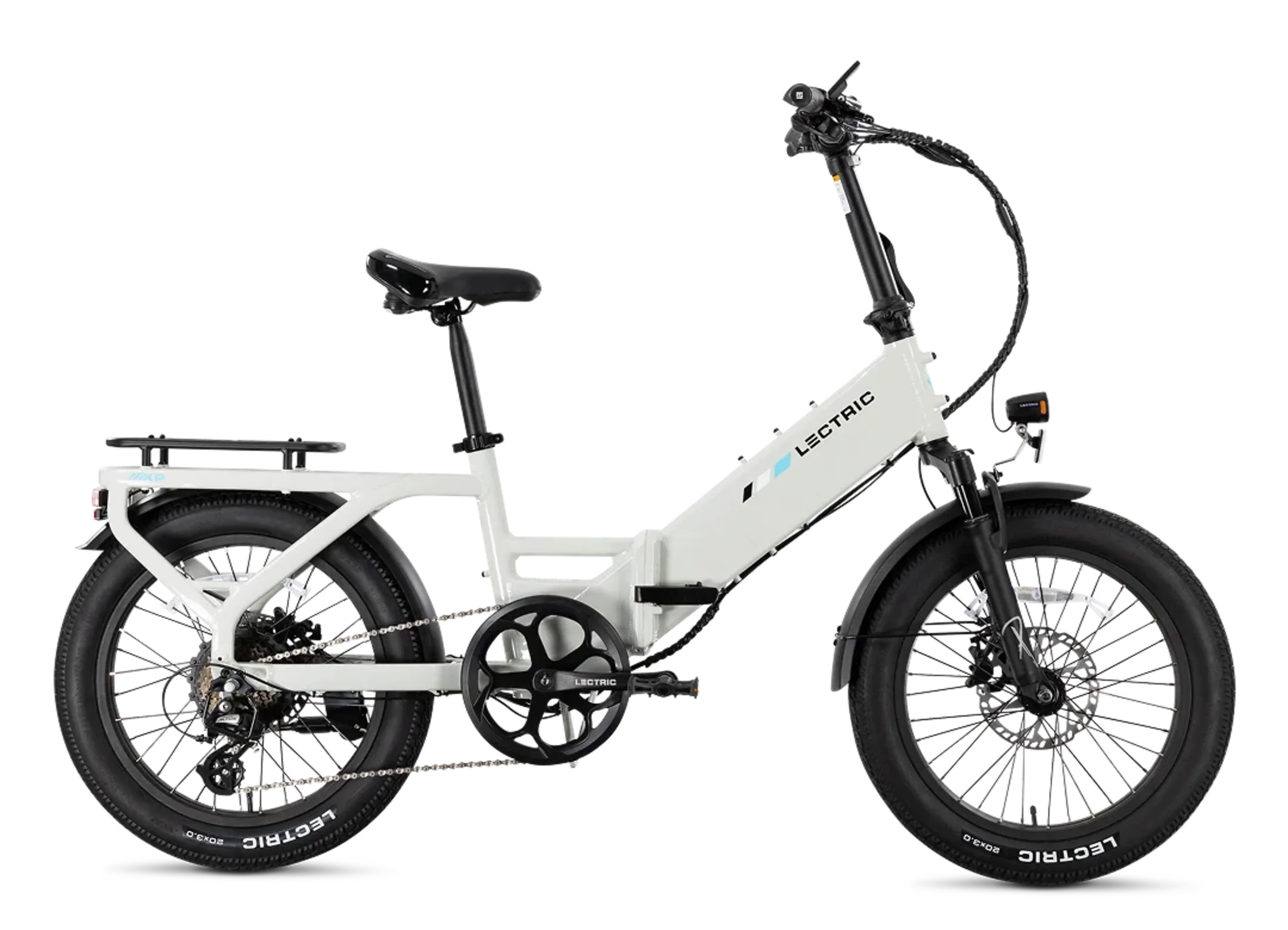
Lectric says its five levels of pedal assist and a half-twist throttle let the XP Lite 2 ride as a Class 1 or 2 e-bike, where state law permits, with a 20 mph top speed. The bike is certified to UL 2849 and its battery to UL 2271.13 Pick it for short, light, in-town riding. See the Lectric XP Lite 2.
Emojo Street X: Class 2
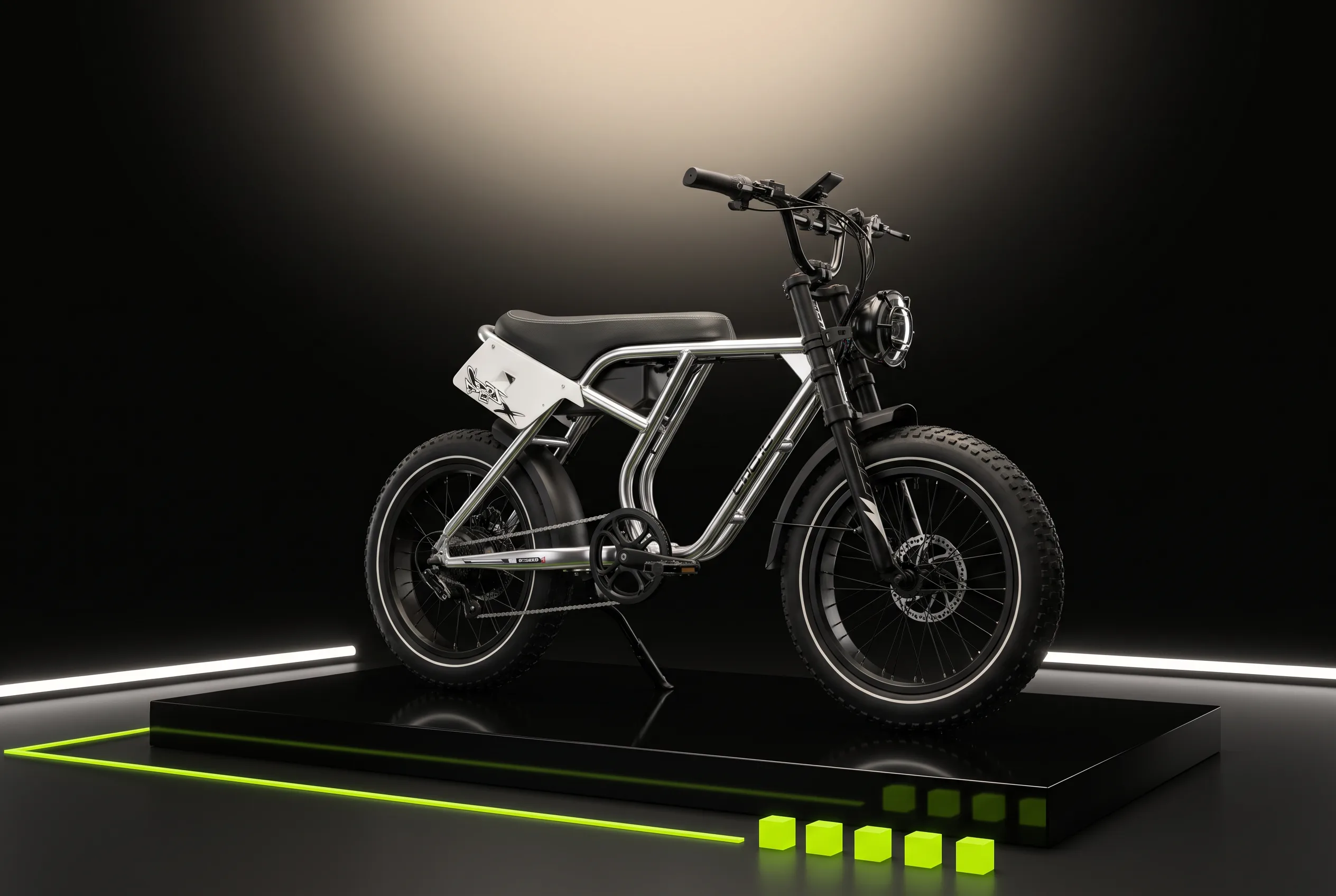
Emojo calls the Street X a Class 2 street-legal e-bike: a 750 W motor, a 20 mph top speed, hydraulic disc brakes, rear turn signals and UL 2849 certification.16 Emojo builds it with teens in mind. Pick it for a younger rider or a moped-style seat. See the Emojo Street X.
Lectric XP4 750 Step-Thru: Class 1, 2 or 3 by riding mode
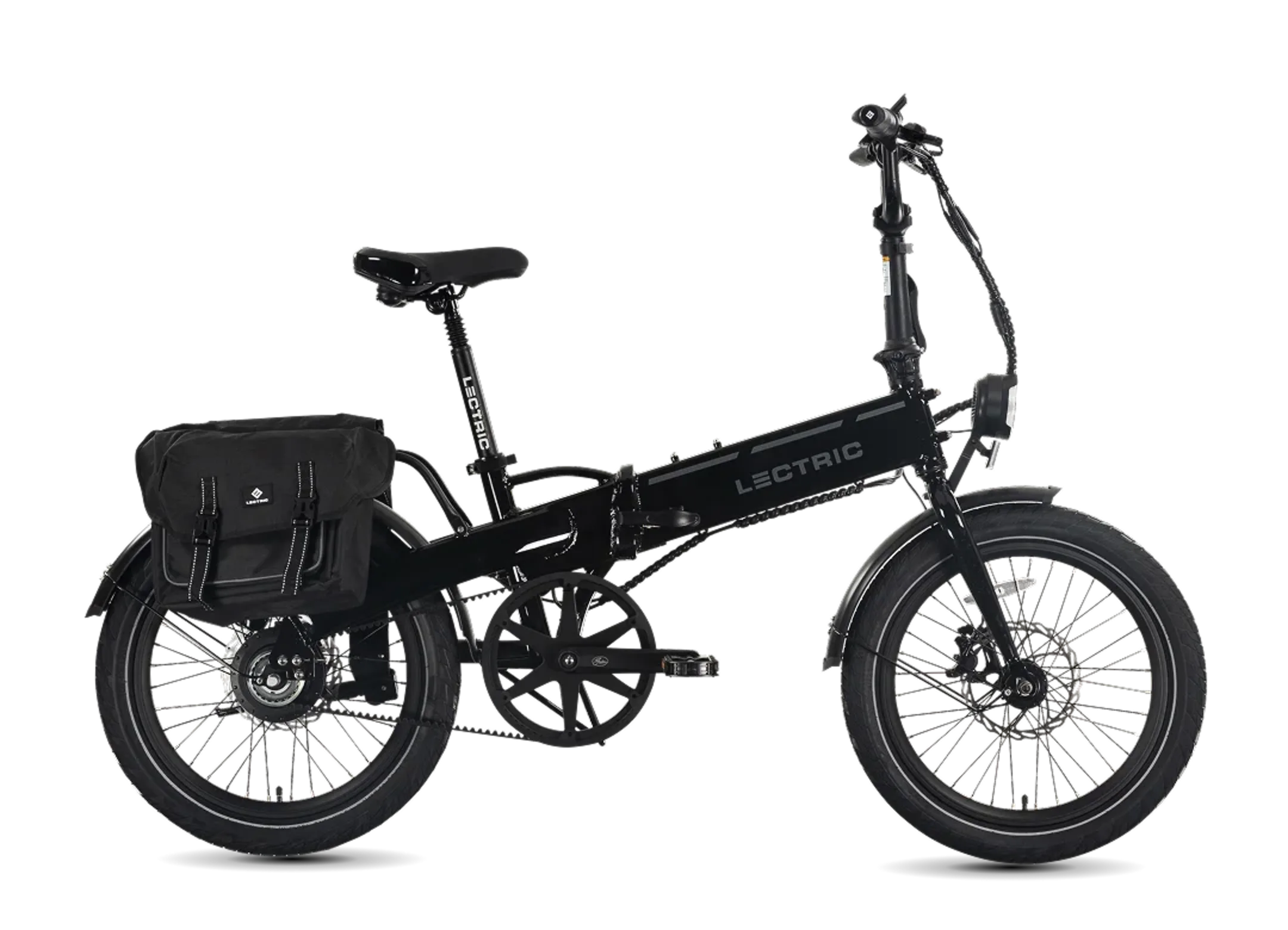
Lectric says five riding modes let the XP4 750 ride as a Class 1, 2 or 3 e-bike, where state law permits, with a 28 mph top speed, a thumb throttle and a 750 W rear hub motor.14 Pick it if you want one bike for park bikeways on the weekend and a faster commute on weekdays. See the Lectric XP4 750 Step-Thru.
Heybike Venus: Class 2 or Class 3 in the app
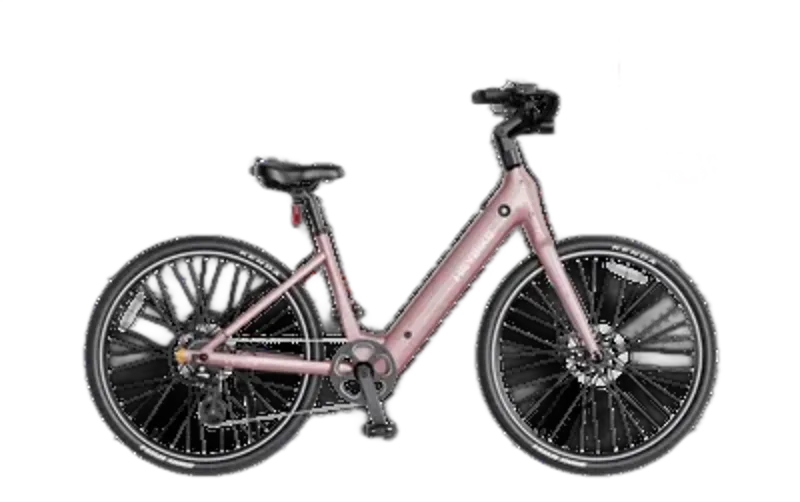
Heybike says you can switch the Venus between Class 2 and Class 3 modes in its app, and that top speed and throttle behavior can be set to meet Class 2 or Class 3 rules. It lists a 28 mph top speed, a 750 W motor, a torque and cadence sensor, and UL 2849 and UL 2271 certification.15 See the Heybike Venus.
| E-bike | Class, per the maker | Top speed | How you ride it |
|---|---|---|---|
| Lectric XP Lite 2 | Class 1 or 2, where state law permits | 20 mph | Pedal assist or a half-twist throttle |
| Emojo Street X | Class 2 | 20 mph | Pedal assist or throttle, moped-style seat |
| Lectric XP4 750 Step-Thru | Class 1, 2 or 3 by riding mode, where state law permits | 28 mph | Five riding modes and a thumb throttle |
| Heybike Venus | Class 2 or Class 3, set in the app | 28 mph | Torque and cadence sensor; throttle set to the class |
One rule for every bike that switches: ride it by the rules of the class it is set to. Changing a bike’s speed is allowed only when it still meets the e-bike definition and the class label is replaced to match.6 Ask us to show you how each mode is set, and what the label on the frame says.
How to tell the class of an e-bike in the store
In one lineRead the label, find the throttle, look for the speedometer, ask how the modes are set, then ride it.
Don’t trust a listing or a forum. Since January 1, 2017, every maker and distributor must put a permanent label in a prominent spot on each e-bike, showing its class number, its top assisted speed and its motor wattage, printed in Arial at no less than 9 point.1 The answer to your class 2 vs class 3 e-bike question is printed on the frame. Here is how we check a bike at the counter:
Read the label
Find the class number, the top assisted speed and the watts on the frame.
Find the throttle
A Class 2 may have one. A Class 3 moves on motor alone only in walk mode, up to 3.7 mph.
Look for the speedometer
A Class 3 must have one.
Ask about the modes
On a bike that switches, see which class it is set to and what the label says.
Ride it
Feel the throttle start, then pedal past 20 mph on a Class 3.
Try it · Class finder
Which class is the e-bike you’re looking at?
00
Pick an answer above.
Source 1 · the maker’s label on the frame shows the class
Counter tip
No label on the frame, or a label that fights the ad? Walk away, or bring it to us and ask before you ride it anywhere.1
Go deeperSB 1167 and the class label
The label is getting stricter. SB 1167, chaptered on September 30, 2026, adds the e-bike’s brand name and its maker, importer or distributor to the label.10 It also says a class label may be sold and installed only in a physical store or a bike shop, and that the store or shop must check the label matches the bike’s class before putting it on.10
Some of its parts depend on another bill passing, so check the bill page for when each part starts.
Already own a bike and not sure what you have? Bring it in and we can read the label with you.
Then settle it the fun way. Come to Cyber City at 932 W Orangethorpe Ave in Fullerton, open every day from 10 AM to 8 PM, and ride a throttle bike and a pedal-only bike back to back. Walk in or book a test ride: booking is a request, and we call you to confirm the time. Most riders know which class is theirs before the second lap of the parking lot.
More questions people ask about Class 2 vs Class 3 e-bikes
Is a Class 3 e-bike faster than a Class 2?
Its motor helps longer. A Class 2 stops helping at 20 mph and a Class 3 at 28 mph, with a 750-watt limit on both.1 Off the line, a Class 2 throttle can feel quicker, because it moves you before you pedal.
Can a Class 2 e-bike go 28 mph?
Does a Class 3 e-bike have a throttle?
Not one that moves the bike on its own past walk speed. A Class 3 helps only while you pedal, and its start assistance or walk mode may move it on motor power alone only up to 3.7 mph.1
Can a 15-year-old ride a Class 3 e-bike in California?
Can I ride a Class 3 e-bike on the Santa Ana River Trail?
Not on the OC Parks paved bikeways that make up the county’s part of it: OC Parks lists bicycles and Class 1 and Class 2 e-bikes there, at 10 mph.11 Other agencies run other stretches of trail, so check the posted rules where you ride.
Which e-bike class is best for commuting?
Do I need insurance for a Class 3 e-bike?
The state doesn’t require it: an e-bike rider isn’t subject to the Vehicle Code’s financial responsibility rules.6 Whether your renters or homeowners policy covers an e-bike is up to your insurer, so ask them.
Can I change my e-bike from Class 2 to Class 3?
Only the way the law allows. A change to a bike’s speed is allowed only if the bike still meets the e-bike definition and the class label is replaced to match.6 Some bikes switch classes by design, like the XP4 750 and the Venus, where the maker says the law permits.1415 Unlock codes and kits that push a bike past the definition are against the law to sell.6
Sources
- California Vehicle Code Section 312.5 (what an e-bike is, the three classes, walk mode, the class label), as reproduced by California Public Law (read October 20, 2026) (opens in a new tab)
- California Vehicle Code Section 21213 (Class 3: age 16, a helmet for every rider and passenger), as reproduced by California Public Law (read October 20, 2026) (opens in a new tab)
- California Vehicle Code Section 21212 (helmets for riders under 18, the $25 fine), as reproduced by California Public Law (read October 20, 2026) (opens in a new tab)
- California Vehicle Code Section 21212.5 (no Class 3 sale to a person under 16, a fine of up to $250), as reproduced by California Public Law (read October 20, 2026) (opens in a new tab)
- AB 965 (2025), chaptered July 28, 2025, Chapter 65, Statutes of 2025: no Class 3 sales to riders under 16 (Digital Democracy; read October 20, 2026) (opens in a new tab)
- California Vehicle Code Section 24016 (no license, registration, plates or financial responsibility; speed changes and the class label), as reproduced by California Public Law (read October 20, 2026) (opens in a new tab)
- California Vehicle Code Section 21207.5 (local bans on trails; State Parks paths), as reproduced by California Public Law (read October 20, 2026) (opens in a new tab)
- AB 1909 (2022), the bicycle omnibus bill, chaptered September 16, 2022: the Class 3 path ban removed, no city bike licensing (Digital Democracy; read October 20, 2026) (opens in a new tab)
- California Highway Patrol, new laws taking effect in 2026 (AB 875 impound, AB 544 rear light; read October 20, 2026) (opens in a new tab)
- SB 1167 (2026), chaptered September 30, 2026, Chapter 846, Statutes of 2026: the e-bike class label and who may install one (Digital Democracy; read October 20, 2026) (opens in a new tab)
- OC Parks, “E-bikes in OC Parks”: Class 1 and Class 2 on the county’s paved regional bikeways (read October 20, 2026) (opens in a new tab)
- OC Parks, “Electric Bicycles Now Permitted on Regional Bikeways” (September 21, 2018; read October 20, 2026) (opens in a new tab)
- Lectric XP Lite 2.0, maker’s product page (read October 20, 2026) (opens in a new tab)
- Lectric XP4 750 Step-Thru, maker’s product page (read October 20, 2026) (opens in a new tab)
- Heybike Venus, maker’s product page (read October 20, 2026) (opens in a new tab)
- Emojo Street X, maker’s product page (read October 20, 2026) (opens in a new tab)
Reviewed October 20, 2026. A summary of the Vehicle Code sections, bills and county rules listed, not legal advice: check the sources and your city’s rules before you ride.
Who wrote this
Written by
Mahmoud Alsammar
Owner, Cyber City
Runs Cyber City in Fullerton, CA, where the team sells e-bikes, scooters, drones and cameras.
Fact-checked by
Ryan Alali
Fact-checker
Checks every Journal article against the makers’ and the law’s own sources before it goes up.
Cyber City · Fullerton
Not sure if you’re a Class 2 or a Class 3 rider?
Tell us what you ride or fly, and we answer it in the store, by phone or by email.
The store
DAILY 10 AM – 8 PM
932 W Orangethorpe Ave
Fullerton, CA 92832