
JournalE-bikes & the lawField guide
California e-bike laws: the simple, essential guide to classes, ages, helmets and riding free
- Written byMahmoud Alsammar, Owner, Cyber City
- Fact-checked byRyan Alali · Reviewed
The 30-second version
California e-bike laws sort e-bikes into three classes: Class 1 and Class 2 stop helping at 20 mph, Class 3 at 28 mph, and none may have a motor over 750 watts. Riders under 16 may not ride a Class 3, and everyone under 18 must wear a helmet on any e-bike, as must every rider on a Class 3. No license, registration or plates needed.
- Class 1 and 2 20 mph , where the help stops
- Class 3 28 mph , where the help stops · age 16+
- Helmet Under 18; every Class 3 rider
- Motor 750 watts or less
- License or plates Not needed for an e-bike
California e-bike laws: stop guessing and ride
In one lineKnow your class, the age line and the helmet rule, and California e-bike laws stop being guesswork.
California e-bike laws trip up more riders than hills do. You bought the bike, or you are about to, and suddenly everyone is an expert. Your neighbor says you need a license. A forum swears helmets are optional. Some guy at the trailhead calls your bike “basically a motorcycle.” So you ride half-worried, or you leave the bike in the garage. Enough of that.
Guessing wrong costs real money. A ride that crosses the line drawn by California e-bike laws stops being an e-bike: it can count as a moped or a motorcycle, with license and registration rules of its own.15 Since January 1, 2026, an officer may impound a ride that is not an e-bike and can top 20 mph on its motor alone when its rider lacks the license for it, and a Class 3 ridden by someone under 16.12 Your bike, towed, over a label you never read.
Now picture the other side. You know your class. You know the helmet rule. You know where Fullerton lets you ride and where it doesn’t. You just ride: to work, to the store, out to the Santa Ana River Trail on a Sunday, with zero second-guessing. This guide gets you there in about ten minutes, and every rule links to its source.
What do California e-bike laws say, in short?
In one lineUnder California e-bike laws, an e-bike has working pedals, 750 watts or less, and help that stops at 20 or 28 mph.
Start with the definition, because everything hangs on it. Under Vehicle Code Section 312.5, an e-bike is a bicycle with fully operable pedals and an electric motor of no more than 750 watts.1 Miss either one and the e-bike rules stop protecting you. Other rules take over.
Then come the three classes. Class 1 helps only while you pedal and stops helping at 20 mph. Class 2 adds a throttle, so the motor can move the bike on its own, and it also stops at 20 mph. Class 3 helps only while you pedal, stops at 28 mph and must have a speedometer.1
| Class | How the motor helps | Help stops at | Rider age | Helmet |
|---|---|---|---|---|
| Class 1 | Only while you pedal | 20 mph | No state minimum5 | Every rider under 183 |
| Class 2 | Pedaling, or a throttle on its own | 20 mph | No state minimum5 | Every rider under 183 |
| Class 3 | Only while you pedal; a speedometer is required | 28 mph | 16 and older2 | Every rider and passenger2 |
Here are California e-bike laws on one screen. Six lines, each one unpacked below with its source:
- Classes: Class 1 and 2 stop helping at 20 mph, Class 3 at 28 mph.1
- Age: no state minimum for Class 1 and 2; 16 and older for Class 3.52
- Helmets: everyone under 18, and every rider on a Class 3.32
- Paperwork: no driver’s license, registration or plates for an e-bike.6
- Equipment: a working brake, lights after dark, and a rear red reflector or light at all hours.7
- Local rules: cities can add their own, and Fullerton has.13
Those six lines are California e-bike laws in a nutshell, and already more than most riders know. The rest is the detail that keeps you out of trouble.
How do I tell which class an e-bike is?
In one lineRead the permanent label on the frame: it shows the class, the top assisted speed and the motor’s watts.
Look at the frame. Since 2017, California e-bike laws make makers and distributors put a permanent label on every e-bike, in a prominent spot, showing its class number, its top assisted speed and its motor wattage.1 The law even sets the type: Arial, at least 9 point.1 Nobody should have to guess.
So treat the label like a price tag. No label, or a label that fights the ad? That is your cue to ask hard questions or walk away. Try the class finder below with the bike you have your eye on.
Try it · Class finder
Which class is this e-bike?
00
Pick an answer above.
Source 1 · the maker’s label on the frame shows the class
Go deeperWalk mode, the motor cut-off and the federal rules
Two details keep you from misreading a bike. A Class 1 or Class 3 may have a walk mode or start help that moves it on motor power alone, up to 3.7 mph.1 That little push does not turn it into a Class 2.
The motor must also cut out when you brake, or run through a switch that stops it the moment you let go, and the bike must meet the federal bicycle equipment rules set by the CPSC.6 Those are the maker’s job, and fair questions to ask about any bike.
Here is a trap we see at the counter. A commuter shows us a bike bought online: a throttle, and a label that says Class 3. A throttle that moves the bike on its own past the 3.7 mph walk mode does not fit Class 3 as California e-bike laws define it.1 That bike has a problem, and our guide to e-bikes to stay away from lists the other red flags.
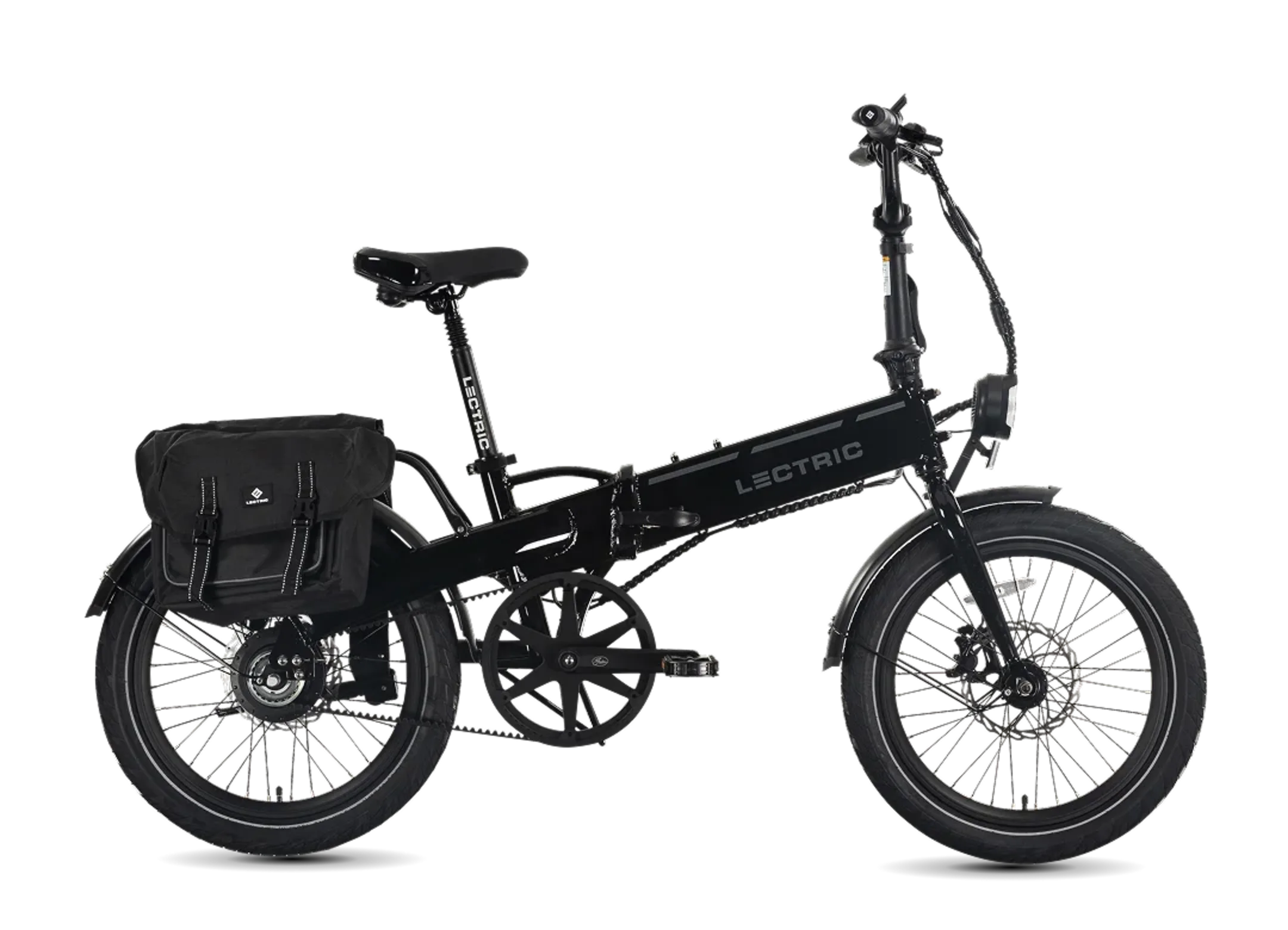
Want to see a clean label? On our e-bikes page, pick any model, such as the Lectric XP4 750 Step-Thru or the Lectric XP Lite 2, and we will show you the label on its frame in the store.
Before you pay
No class label on the frame, or a label that fights the ad? Ask hard questions, or walk away.1
When is it not an e-bike under California e-bike laws?
In one lineBuilt to be unlocked, modified past 20 mph or 750 watts, or stripped of its pedals: it is not an e-bike.
This is where people get burned. The law names three kinds of vehicles that are not e-bikes and may not be advertised, sold, offered for sale or labeled as e-bikes:1
- One with two or three wheels and an electric motor that its maker intends to be modifiable past 20 mph on motor power alone, or past 750 watts.1
- One that has been modified to go faster than 20 mph on motor power alone, or to have more than 750 watts.1
- One that has been modified to remove its operable pedals.1
A ride over the line may count as a moped or a motorcycle, with license and registration rules of its own, and electric dirt bikes are off-highway motorcycles, not e-bikes.5 Our article on e-bikes versus electric motorcycles shows exactly where the line falls, and our e-motos belong on private land and in off-highway areas.
Go deeperTampering, unlock codes and the class label
Tweaking your bike moves you too. Nobody may tamper with an e-bike to change its speed, unless it still meets the e-bike definition and the class label is replaced to match.6 Selling a product, device or app that pushes an e-bike past the definition is against the law.6 That “unlock” code someone online is selling? Skip it.
And the stakes went up this year. Since January 1, 2026, a peace officer may impound a vehicle with fewer than four wheels that is not an e-bike, can go over 20 mph on its motor alone, and is ridden by someone without the license for it. The same law covers a Class 3 ridden by someone under 16.12 Under California e-bike laws, the label decides which rules apply to you. Read it once and you are set.
Since January 1, 2026
A ride over the e-bike line in the hands of a rider without the license for it, or a Class 3 under a rider younger than 16, may be impounded.12
How old do you have to be to ride an e-bike in California?
In one lineNo state minimum age for Class 1 and Class 2; a Class 3 waits until 16, to ride it and to buy it.
California e-bike laws set no minimum age for Class 1 and Class 2 e-bikes.5 Class 3 riders must be 16 or older.2
Since January 1, 2026, stores may not sell a Class 3 e-bike to anyone under 16.4 That is why we ask for ID before a Class 3 sale. It keeps your kid’s new ride out of an impound lot.
No minimum age does not mean any age fits any bike. Doctors publish their own age recommendations for e-bikes, and they are stricter than the law. Our guide Should I let my kid get an e-bike? lays them out for parents, and teens can read what your parents will ask, written for them with the same facts.
The bike also has to fit. Nobody may ride a bicycle on a highway if its size keeps them from stopping it, holding it upright with at least one foot on the ground, and starting again.7 That is a fit test any parent can run in a parking lot in two minutes.
Stop it
The rider brings the bike to a stop on their own.7
Hold it upright
The rider holds it up with at least one foot on the ground.7
Start again
The rider gets it moving again from that stop.7
A Fullerton scene: a 15-year-old wants the same Class 3 as an older brother. Under California e-bike laws that waits until 16, and no store may sell one to the 15-year-old before then.24 A Class 1 or Class 2 is the ride the law leaves open in the meantime.
Who has to wear a helmet under California e-bike laws?
In one lineUnder California e-bike laws, everyone under 18 on any e-bike wears a helmet, and so does every rider on a Class 3.
First, why this section matters. The CPSC counts 310 e-bike deaths from 2017 through 2024, and collisions with moving or parked motor vehicles caused 170 of them.15 U.S. emergency rooms treated an estimated 59,200 e-bike injuries in 2024 alone.15 A helmet is the cheapest upgrade you will ever buy for your bike.
| Item | Value |
|---|---|
| All e-bike deaths | 310 |
| In collisions with motor vehicles | 170 |
The CPSC’s count: 170 of the 310 deaths came from collisions with moving or parked motor vehicles. Source15
The number that matters
59,200
e-bike injuries were treated in U.S. emergency rooms in 2024 alone, by the CPSC’s estimate.15
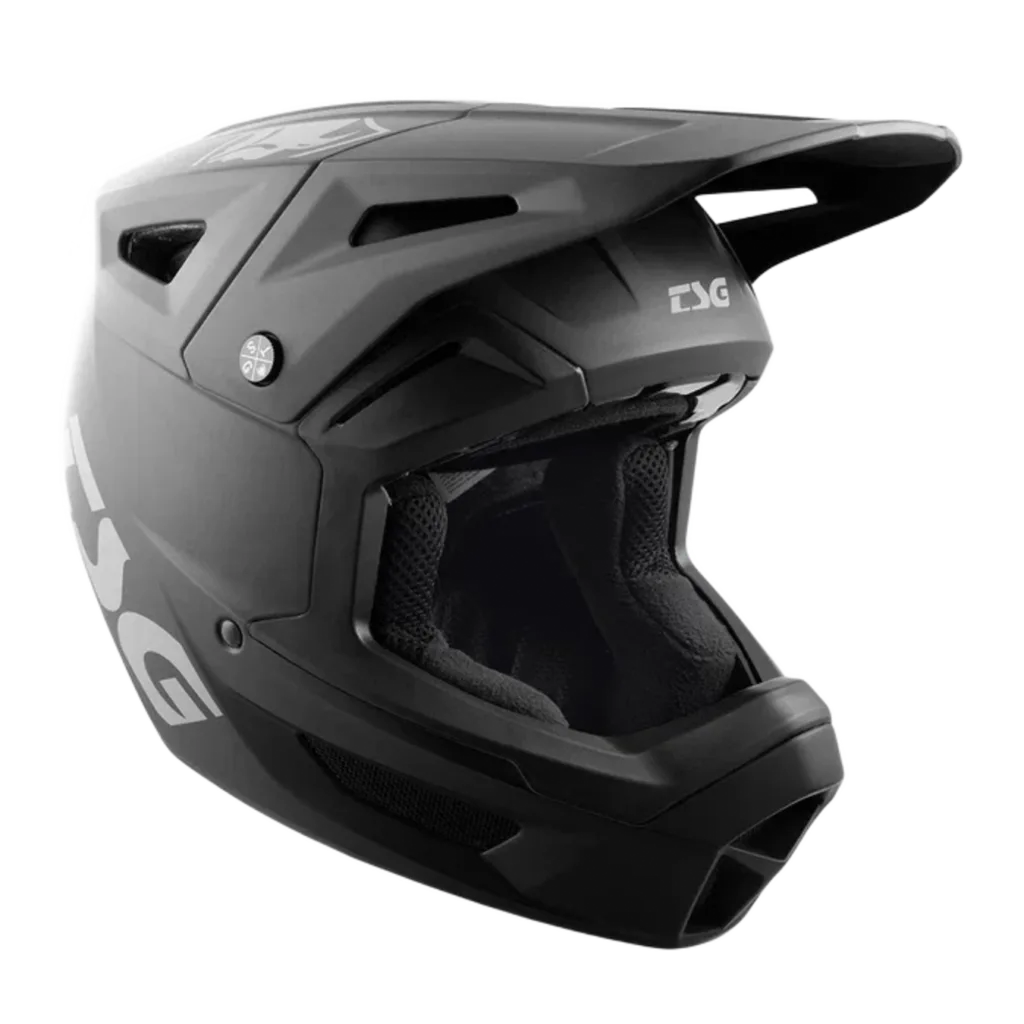
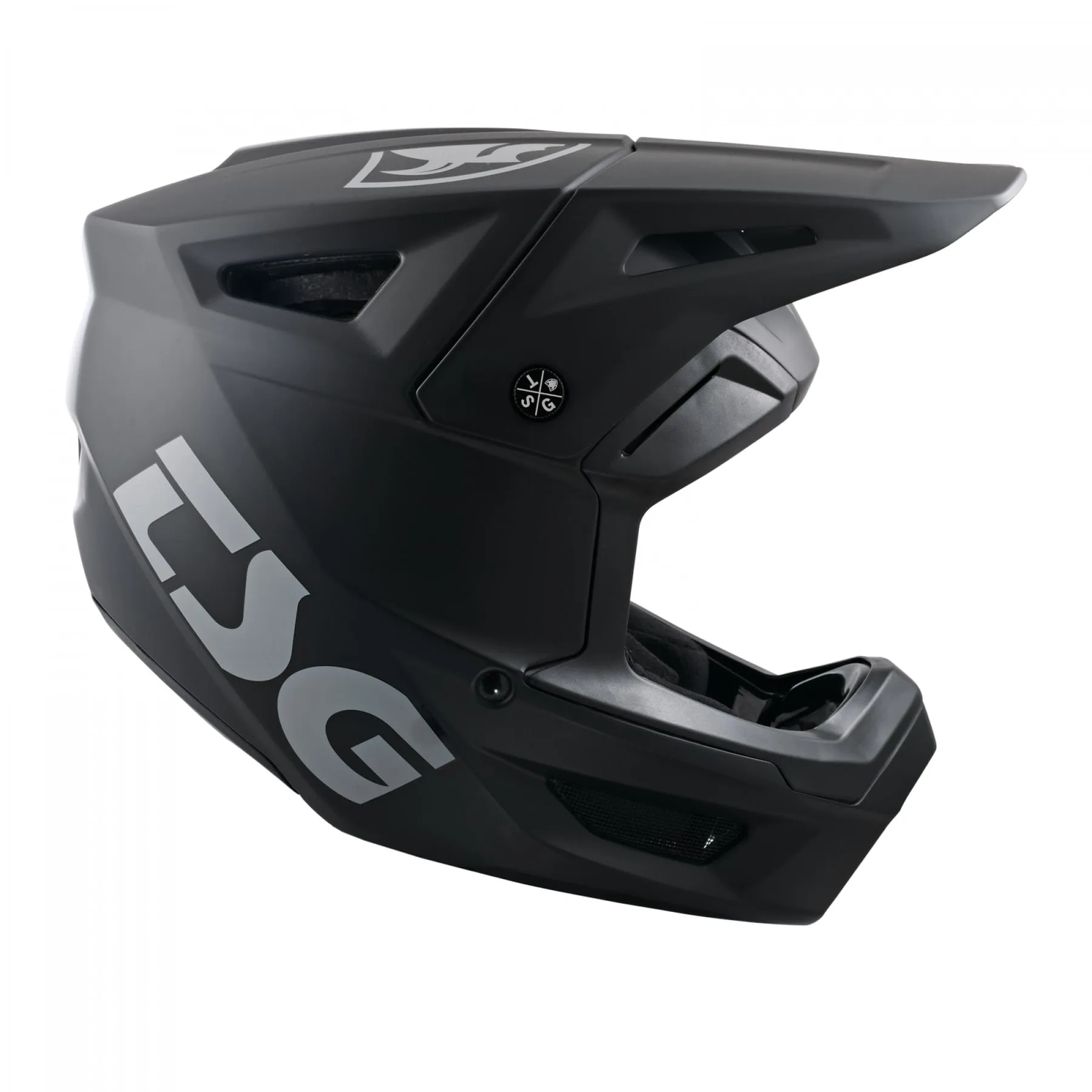
Now what California e-bike laws require. Everyone under 18 must wear a helmet on any bicycle, and that includes e-bikes, as Vehicle Code Section 21212 says.3 The helmet must be properly fitted and fastened, and it must meet an ASTM or CPSC standard.3
On a Class 3, the rule reaches every rider and every passenger, whatever their age, including a child in a bike seat or a trailer.2 Adults on Class 1 and Class 2 bikes aren’t required to wear one by state law. Wear one anyway. Your head doesn’t care which class you are on.
Try it · Helmet check
Does this rider need a helmet?
00
Pick an answer above.
Sources 2 and 3
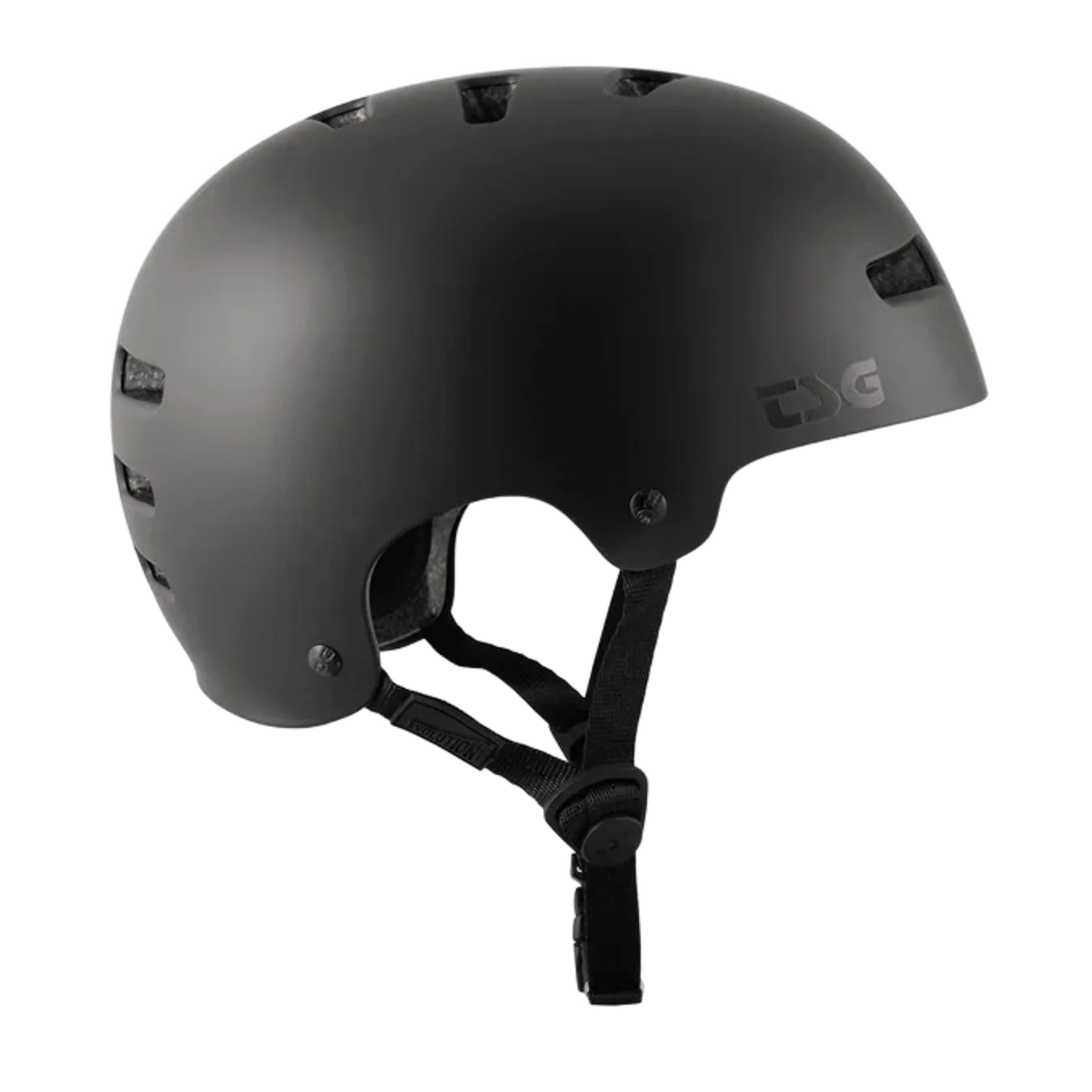
How do you know a helmet meets the standard? A helmet sold for bicycles must carry a label for the standard it meets, and that label counts as the maker’s certification.3 Look inside the shell before you buy. Every helmet on our helmets page, such as the TSG Evolution, can be fitted in the store.
A helmet ticket for a rider under 18 is an infraction, with a fine of up to $25.3 If your child gets one, ask the agency that issued the ticket which course it accepts.
Fit matters as much as the label: California e-bike laws ask for a helmet that is properly fitted and fastened, not just owned.3 Bring the rider in and we fit it on their head, not on a size chart.
Do I need a license, registration or insurance for an e-bike?
In one lineNo license, registration, plates or required insurance, but on the road a rider has a driver’s duties.
No, and that is the best part of California e-bike laws. A person riding an e-bike is not subject to the Vehicle Code’s rules on driver’s licenses, registration, license plates or financial responsibility, and an e-bike is not a motor vehicle.6 No DMV line. No plates. No premium the law forces on you. That is one of the biggest differences between an e-bike and a moped or a motorcycle.
No license does not mean no rules under California e-bike laws. A person riding a bicycle on a road has the rights and the duties of a driver, including the rules on riding under the influence.8 Stop signs, signals and right of way all apply to you, exactly as they do in a car.
Two more rules catch people off guard. A bicycle rider may not wear earphones or earplugs in both ears.11 And a passenger may ride only on a separate seat attached to the bike; a child four or under, or 40 pounds or less, needs a seat that holds them in and away from the moving parts.9
Picture it: a rider heads home through Fullerton with earbuds in both ears and a friend perched on the cargo rack. That is two rules broken on a vehicle that needs no license at all.911 A cargo rack is not a seat.
A cargo rack is not a seat.
Insurance is a separate call from the law. The state doesn’t require it for an e-bike,6 but your renters or homeowners policy may or may not cover one. Call your insurer before you count on it.
Where can I ride an e-bike in California and in Fullerton?
In one lineBike lanes are open to all three classes; parks, trails and sidewalks follow local rules.
Bike lanes are yours. The state’s classification chart lists them as open to all three classes of e-bike.5 Past that, California e-bike laws leave much of the answer to local rules. Cities, counties and public agencies may ban e-bikes, or one class of them, on the equestrian, hiking and recreational trails they run, and California State Parks may do the same on paths and trails in its parks.10
Sidewalks are local too. In Fullerton, Ordinance 3354 adds chapter 8.90 to the city code, and it covers e-bikes along with scooters, dirt bikes, mini bikes, pocket bikes and go-peds.13 In the text the city posted, these are the lines that matter:13
- No riding in any public park.
- 10 mph on sidewalks and unpaved trails.
- 15 mph on paved trails.
- No wheelies or stunts.
- No extra riders.
- No phone in hand while riding.
Breaking these is an infraction under the city code.13 The text we quote is the version the city posted for adoption, so the City of Fullerton has the final word on any detail.
Here is how that plays out on a Tuesday. A city park sits between your home and your job. Under the ordinance text, you walk the bike through the park rather than ride it.13 On a Fullerton sidewalk where riding is allowed, the ordinance text sets 10 mph.13
Schools, campuses, malls and transit set rules of their own, so check the rule where you are going, not only where you start.
What equipment does an e-bike need in California?
In one lineA rear red reflector or light at all hours since 2026, plus a front light and reflectors after dark.
Two basics first: a brake strong enough to make one braked wheel skid on dry, level, clean pavement, and handlebars low enough that your hands stay below your shoulders.7 After dark, California e-bike laws add a set of lights and reflectors:7
- A white front light, visible from 300 feet in front and from the sides.7
- A red rear reflector, or a solid or flashing red light with a built-in reflector, visible from 500 feet.7
- A white or yellow reflector on each pedal, shoe or ankle, visible from 200 feet.7
- Side reflectors, unless the tires are reflectorized.7
California e-bike laws changed one rule on January 1, 2026: an e-bike must now carry that rear red reflector or red light at all hours, not only after dark.712 If your bike has a rear light, switch it on before every ride and check it still works. If not, a red rear reflector meets the rule.7 Cheap fix, done today.
The battery has rules too. Since January 1, 2026, an e-bike sold in California must have a battery tested by an accredited lab, and the seller must give you a copy of the test report if you ask.14 Our e-bike battery guide shows what to look for and how to charge at home.
If a brake feels soft or a light has died, don’t ride until it is sorted. Here is this whole guide as one list. Tick it at home or in the store; the ticks stay in your browser and nothing is sent anywhere.
Try it · Your charging setup
California e-bike laws check
00
Pick an answer above.
Sources 1 to 3, 6, 7, 9, 11 and 13
Ride inside California e-bike laws, starting this week
In one lineOne visit: see the class label, get a helmet fitted and feel Class 1, 2 and 3 on a test ride.
You now know what most riders never learn: the class, the label, the age line, the helmet rule, the Fullerton lines and the gear. The rest is picking a bike that sits clean on the right side of California e-bike laws, and riding it.
The fastest way to get there is one visit. Come to Cyber City at 932 W Orangethorpe Ave in Fullerton, open every day from 10 AM to 8 PM. We show you the class label on any bike, fit a helmet on the rider’s head, and you feel the difference between Class 1, 2 and 3 for yourself on a test ride. Tell us which bikes you want to try and we call you to confirm the time.
Rather call first? Ring (657) 445-7230. Prefer to read more? Our common questions cover the store, and a real person answers on our contact page.
More questions people ask about California e-bike laws
Do you need a license to ride an e-bike in California?
No. A person riding an e-bike is not subject to the Vehicle Code’s rules on driver’s licenses, registration, license plates or financial responsibility.6 That only holds while the ride is an e-bike: pedals, 750 watts or less, help that stops at 20 or 28 mph.1 Cross that line and license rules can apply.
Can a 14-year-old ride an e-bike in California?
How fast can an e-bike go in California?
Sources
- California Vehicle Code Section 312.5 (what an e-bike is, the three classes, the label) (opens in a new tab)
- California Vehicle Code Section 21213 (Class 3: age 16, helmets) (opens in a new tab)
- California Vehicle Code Section 21212 (helmets under 18) (opens in a new tab)
- AB 965 (2025), Vehicle Code Section 21212.5 (no Class 3 sales to riders under 16) (opens in a new tab)
- California State Parks OHMVR, Information Bulletin 25-1 (classification chart) (opens in a new tab)
- California Vehicle Code Section 24016 (e-bike equipment; no license, registration or insurance; no speed tampering), as reproduced by California Public Law (opens in a new tab)
- California Vehicle Code Section 21201 (brakes, bike size, lights and reflectors; a rear red reflector or light on e-bikes at all hours), as reproduced by California Public Law (opens in a new tab)
- California Vehicle Code Section 21200 (a rider has the rights and duties of a driver), as reproduced by California Public Law (opens in a new tab)
- California Vehicle Code Section 21204 (passengers only on a separate seat), as reproduced by California Public Law (opens in a new tab)
- California Vehicle Code Section 21207.5 (trails and paths where e-bikes may be limited), as reproduced by California Public Law (opens in a new tab)
- California Vehicle Code Section 27400 (no earphones in both ears), as reproduced by California Public Law (opens in a new tab)
- California Highway Patrol, new laws taking effect in 2026 (AB 544 rear light, AB 875 impound, SB 586 eMotos) (opens in a new tab)
- City of Fullerton, Ordinance 3354 adding Municipal Code chapter 8.90 (text as posted by the city) (opens in a new tab)
- SB 1271 (2024), e-bike battery testing (in force since January 1, 2026) (opens in a new tab)
- U.S. Consumer Product Safety Commission, micromobility products: deaths, injuries and hazard patterns 2017–2024 (April 2026; read October 17, 2026) (opens in a new tab)
California e-bike laws as of October 17, 2026. General information, not legal advice: check the sources and your city’s rules.
Who wrote this
Written by
Mahmoud Alsammar
Owner, Cyber City
Runs Cyber City in Fullerton, CA, where the team sells e-bikes, scooters, drones and cameras.
Fact-checked by
Ryan Alali
Fact-checker
Checks every Journal article against the makers’ and the law’s own sources before it goes up.
Cyber City · Fullerton
Not sure which class your bike is?
Tell us what you ride or fly, and we answer it in the store, by phone or by email.
The store
DAILY 10 AM – 8 PM
932 W Orangethorpe Ave
Fullerton, CA 92832