
JournalLife outsideBento
How to stop doomscrolling: a simple plan to swap the scroll for something real (and fun)
- Written byMahmoud Alsammar, Owner, Cyber City
- Fact-checked byRyan Alali · Reviewed
The 30-second version
The answer
You stop doomscrolling by replacing it, not by fighting it. Give the moment you usually scroll a new job: a ride, a walk, a shot to film. Put the phone out of the bedroom and cut feeds to about 30 minutes a day. In one trial, two weeks without mobile internet improved mood, well-being or attention for 91% of people, and they spent the time outside, moving and with friends.
Adults who say they’re on their phone too much
53%
(70% under 30)
People who improved after 2 weeks without mobile internet
91%
on at least one measure
Daily social media that cut loneliness in a trial
30 minutes
, about
Time in nature linked to better well-being
120 minutes
a week
A new habit takes, on average
66 days
(18 to 254)
Why you can’t stop doomscrolling (and why it isn’t your fault)
In one lineIt’s not weakness: the feed never ends, and stopping feels worse than scrolling.
It’s 1 a.m. You opened the app to check one thing. Forty minutes later you know about a flood in a country you can’t find on a map, a celebrity breakup and three new reasons the world is ending. Your thumb is still moving. You feel worse than when you started. And tomorrow night, you’ll do it again, unless you learn how to stop doomscrolling.
That’s doomscrolling: the endless pull of bad news and bottomless feeds, long after it stopped being useful. If you want to know how to stop doomscrolling, start here: you are not weak. You are up against a machine that was built to win.
Stanford psychiatrist Anna Lembke puts it bluntly: the smartphone is the modern-day hypodermic needle, delivering “digital dopamine,” and the feed never runs out.6 Algorithms learn what you liked and serve you something similar but new, which is exactly what your brain’s explore-and-reward system can’t ignore.6 She explains why it feels so bad when you finally put the phone down: after a flood of reward, the brain swings below its normal baseline, so scrolling feels good while you do it and horrible the moment you stop.6 So you pick it back up. Loop closed. Any plan for how to stop doomscrolling has to break that loop, not just shame you for it.
You’re not alone. Pew Research found that 53% of U.S. adults say they spend too much time on their smartphone, and 70% of adults under 30 say the same.1 About one in four adults say they’re on it “almost constantly.”1 If you are searching for how to stop doomscrolling, you have a lot of company.
| Item | Value |
|---|---|
| All U.S. adults | 53% |
| Adults under 30 | 70% |
Source1
What doomscrolling is costing you
In one lineThe scroll costs sleep, mood and focus, and a phone in bed predicts worse sleep.
“It’s just my phone” is the lie that keeps the loop going. Before you learn how to stop doomscrolling, see what the research links to the scroll.
Your nights
The CDC says adults need at least 7 hours of sleep, and in 2022 the share of adults getting less ran from 30% in Vermont to 46% in Hawaii.5 Your phone is part of that story. In a study of 844 adults, six in ten took their phone to the bedroom, and using it after lights out predicted taking longer to fall asleep, more insomnia and more daytime fatigue.4
Your mood
Doomscrolling isn’t neutral information. A 2024 study of 800 university students in Iran and the United States found that doomscrolling was linked to higher existential anxiety in both countries: the heavy, what’s-the-point feeling you get at the bottom of the feed.3 For teens the warning is louder. The U.S. Surgeon General’s advisory says kids who spend more than 3 hours a day on social media face double the risk of depression and anxiety symptoms, and that teens average 3.5 hours.2
For teens, the line is 3 hours
More than 3 hours a day on social media means double the risk of depression and anxiety symptoms, and teens average 3.5 hours.2
Your attention
Ever read the same paragraph four times? In a 2025 randomized trial in PNAS Nexus, blocking mobile internet for two weeks measurably improved people’s ability to hold their focus. The researchers compared the gain to the attention of someone about 10 years younger.9 Flip that: the always-on phone was costing them that focus. Learning how to stop doomscrolling buys it back.
Picture life after you stop doomscrolling
In one lineIn a trial, 91% improved in two weeks without mobile internet.
Now flip it. You come home and the evening feels like something. You rode to the river and back. You filmed the sunset from a new angle and the clip is actually good. You fell asleep before midnight and woke up without that foggy, guilty hangover. Your brain feels like yours again.
Not fantasy. In the PNAS Nexus trial, 467 people blocked mobile internet on their phones for two weeks; 91% improved on at least one measure of mental health, well-being or attention.9 And here’s the part that matters most: the improvement was partly explained by what they did with the time. They spent more of it socializing in person, exercising and being in nature.9 They didn’t just stop. They replaced. That is how to stop doomscrolling, in one word.
| Item | Value |
|---|---|
| Improved | 91% |
467 people, at least one measure of mental health, well-being or attention. Source9
How to stop doomscrolling: replace, don’t resist
In one lineWillpower loses. Give your scroll window a new job instead.
Willpower against a billion-dollar feed is a losing fight. Pew found that 45% of adults tried to cut back on their phone in the past year, and only a quarter of them called it a big success.1 Resisting leaves a hole, and the phone fills holes. So don’t leave one. Here’s the plan for how to stop doomscrolling, in six steps.
Why willpower fails
45%
of adults tried to cut back on their phone in the past year, and only a quarter of them called it a big success.1
1. Find your scroll window
Doomscrolling has a schedule: the couch after work, the bed before sleep, the first minutes after waking. Name yours. That’s the slot you’re going to take back, and step one of how to stop doomscrolling.
2. Give that window a new job
Pick one real-world thing for that exact time: a 20-minute ride, a walk to the park, an hour shooting video. Tie it to a cue (“after I park the car, I get on the bike”). In one habit study, people repeated a new behavior after the same daily cue, and it became automatic in a median of 66 days, anywhere from 18 to 254.13 Patience is part of how to stop doomscrolling.
| Item | Value |
|---|---|
| Fastest | 18 days |
| Median | 66 days |
The full range ran from 18 to 254 days. Source13
3. Shrink the feed, don’t ban it
You don’t have to go monk to learn how to stop doomscrolling. In a University of Pennsylvania trial, students who held Facebook, Instagram and Snapchat to 10 minutes each a day, about 30 minutes total, had significantly less loneliness and depression after three weeks than students who scrolled as usual.10 Set app limits at 10 minutes per app and let the phone be the bad guy.
4. Evict the phone from the bedroom
Charge it in the kitchen. Wake up to a plain alarm clock. If the phone isn’t within reach at 1 a.m., the 1 a.m. scroll doesn’t happen. The bedtime-phone study above is all the reason you need.4
5. Make the good thing easier than the bad thing
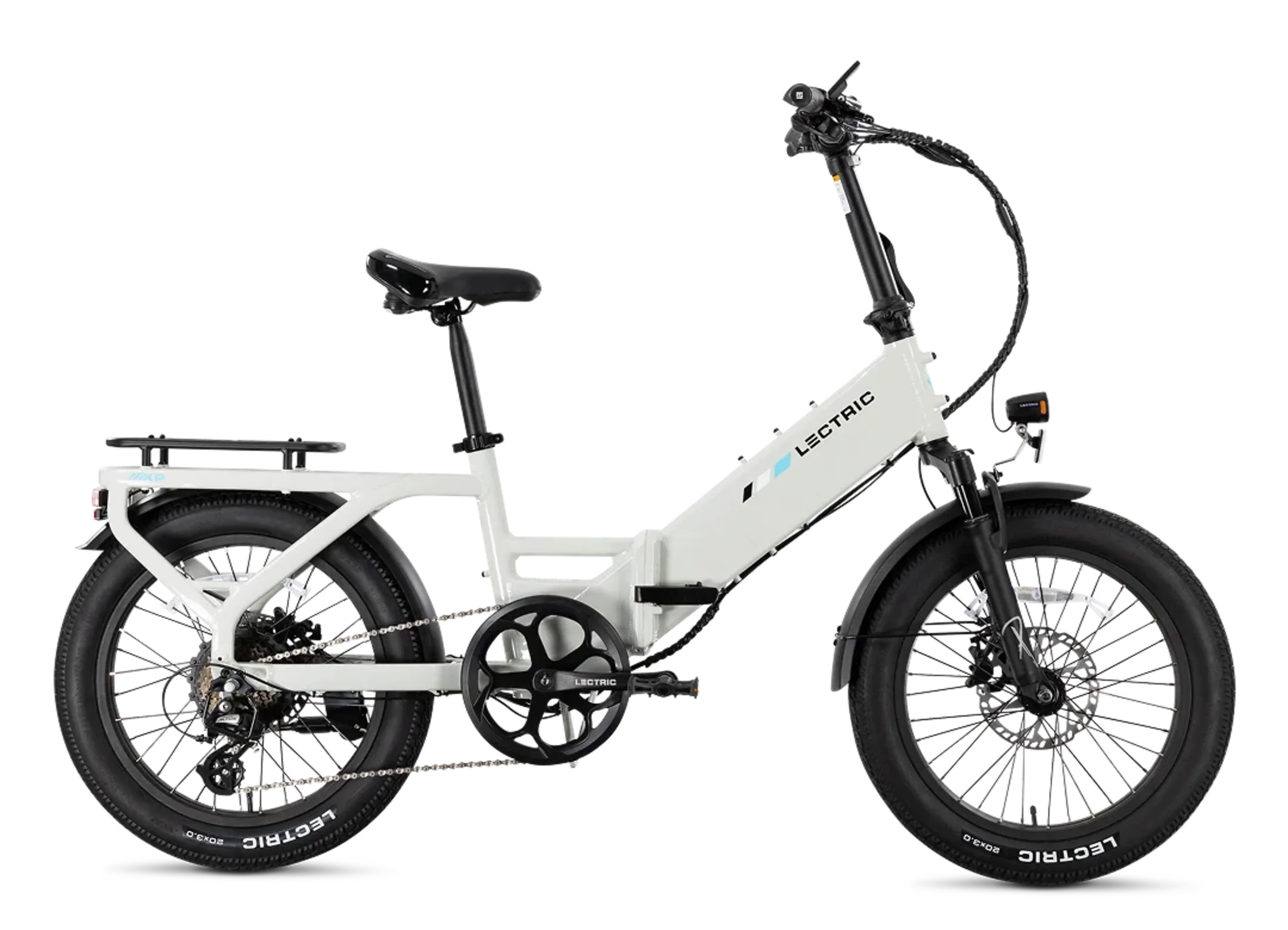
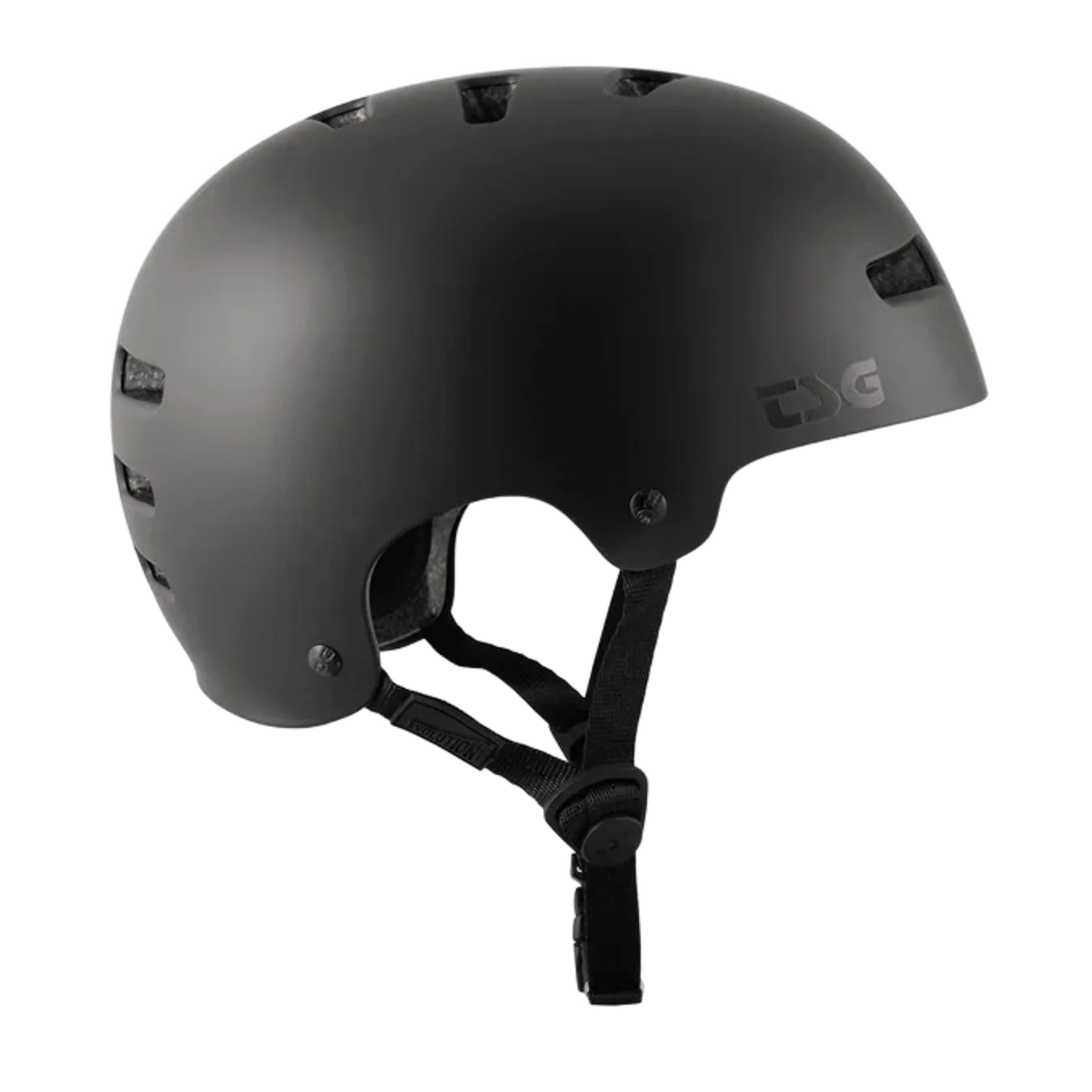
The phone wins because it’s one tap away. So make your replacement one step away: the bike charged by the door, the helmet on the handlebar, the camera in your jacket pocket. Friction is a tool. Put it on the phone and take it off the ride. That is how to stop doomscrolling without a fight.
6. Move, explore, make
The best swaps for how to stop doomscrolling give you the same thing the feed promised (novelty, reward, a story to tell) but in the real world. Movement does real work here: the CDC says a single session of moderate-to-vigorous activity can reduce short-term feelings of anxiety in adults, and regular activity can reduce the risk of depression and anxiety and help you sleep better.12 Nature adds its own dose: in a study of 19,806 people, those who spent at least 120 minutes a week in nature were more likely to report good health and high well-being, whether they got it in one long visit or several short ones.11
Try it · Your charging setup
Your replace-don’t-resist plan
00
Pick an answer above.
Sources 1, 4, 9 to 13 · our counter plan
What to do instead of doomscrolling: three real-world swaps
In one lineMatch the swap to the craving: motion, something new, or making something.
Here’s what to do instead of doomscrolling, sorted by what you’re actually craving when you reach for the phone.
| Craving | Swap | Know this |
|---|---|---|
| Motion | An e-bike ride on the Santa Ana River Trail Bikeway | Class 1 and 2 only, 10 mph, helmets under 1815 |
| Something new | Ted Craig Regional Park or the Fullerton Loop | 124 acres; an 11.1-mile loop16 18 |
| A hit of “wow” | Film with a pocket camera or a small drone | Drones: TRUST test, register 250 g or more, keep it in sight17 |
Craving motion? Ride.
An e-bike is the cheat code for people who “aren’t outdoorsy.” The motor helps on hills and headwinds, so a ride feels like fun, not a workout you dread, and on pedal assist you still pedal the whole way. From Fullerton you’re close to the Santa Ana River Trail Bikeway, one of the paved OC Parks bikeways where Class 1 and Class 2 e-bikes are allowed, with a 10 mph limit and a helmet rule for riders under 18.15 All e-bike classes stay off unpaved trails in the regional and wilderness parks.15 For the full rulebook, read our guide to California e-bike laws, then browse our e-bikes and grab a helmet that actually fits.
Try it · Where will you ride?
Which kind of ride fits?
00
Pick an answer above.
Our counter rule · which kind of ride fits your first rides
Craving something new? Explore.
Novelty is what keeps you scrolling, so feed it with places instead of posts. Ted Craig Regional Park, at 3300 State College Blvd in Fullerton, has 124 acres of rolling hills, a small lake and three year-round creeks, and OC Parks calls it a wildlife sanctuary popular with bird-watchers.16 Or walk a stretch of the Fullerton Loop, an 11.1-mile patchwork of dirt paths, old equestrian trails and an old railroad corridor.18
Craving a hit of “wow”? Make something.
This is the big one for how to stop doomscrolling. Scrolling is consuming someone else’s life. Filming is making your own. A pocket gimbal camera like the DJI Osmo Pocket 3 turns a ride or a walk into footage you’ll want to watch back, and that changes how you look at the world: you start hunting for light, angles, moments. See more on our pocket cameras page.
Scrolling is consuming someone else’s life. Filming is making your own.
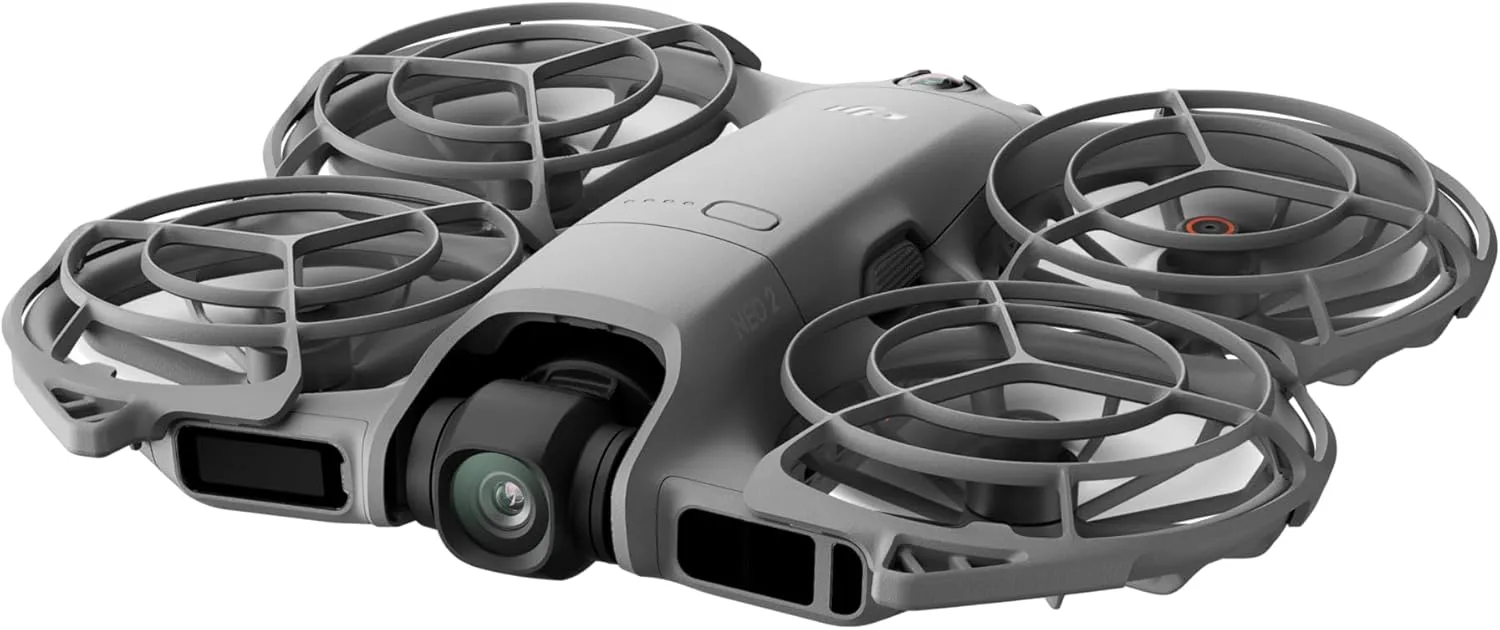
Want the view from above? A small drone such as the DJI Neo 2 makes you the one shooting the videos everyone else scrolls past. Flying has rules: the FAA asks recreational flyers to take the free TRUST test and carry proof, register any drone of 250 grams or more, and keep the drone in sight.17 Start with our drone for beginners guide and check where you can fly a drone in Fullerton before you take off. We’re an authorized DJI dealer, so you can see these in person before you choose.
If you want a full month of ideas to get outside once you know how to stop doomscrolling, our guide on how to touch grass lays it out day by day.
Does a dopamine detox work?
In one lineYou can’t detox dopamine. You can change the habits that pull you to the phone.
Straight answer: not the way TikTok sells it. You can’t “detox” from dopamine, and you wouldn’t want to. Harvard Health says your brain needs dopamine to function, so a dopamine detox is not possible; what you can change are the habits and surroundings that pull you to the device.7 A Harvard Health piece on “dopamine fasting” adds that dopamine doesn’t drop when you avoid stimulation, so sitting in a dark room refusing music, food and friends does nothing for your brain chemistry.8
Go deeperWhere the dopamine fast came from
Here’s the bold part: the original idea is good. Psychiatrist Cameron Sepah built the dopamine fast on cognitive behavioral therapy: notice the cues (the buzz, the notification, the 1 a.m. boredom), stop answering them on autopilot, and swap in simpler, healthier activities.8 He even suggested starting small: one to four hours at the end of the day, then one weekend day, spent outside.8 Human contact and healthy activities were never the thing to cut; they were the replacement.8
So does dopamine detox work? The extreme version is wasted effort. The real version, cut the compulsive thing and replace it with real-world reward, is exactly what the trials above tested, and it helped.910 Call it a dopamine detox if you like. Call it how to stop doomscrolling. Just put a bike in it.
How to do a dopamine detox that isn’t miserable
Pick the target.
Not “all pleasure.” Just the scroll, or just one app.
Pick the window.
Start with one to four phone-free hours each evening.8
Pick the replacement.
A ride, a walk, a shoot, a friend. Plan it before the window opens.
Go longer on weekends.
One phone-free day outside, then build from there.8
Expect a dip.
The first evenings feel flat. That flat feeling is the after-scroll low Lembke describes, and it passes.6
How to break phone addiction when it’s 1 a.m.
In one lineNight does the most damage: phone out of the bedroom, energy burned earlier.
Night is where the scroll does the most damage, so how to stop doomscrolling at night gets its own rules.
- Set a phone curfew. One hour before bed, the phone goes to its charger in another room.
- Burn the energy earlier. Regular activity helps you sleep better, the CDC says, so ride or walk in the evening, not at midnight.12
- Turn the phone boring. Grayscale screen, notifications off, social apps off the home screen.
- Keep the bad news for daylight. If you need the news, read it once, in the morning, from one source. Doomscrolling is linked to existential anxiety; don’t take that to bed.3
- Need more help? If your phone use is hurting your work, school or relationships and you can’t cut back, talk to your doctor or a licensed therapist. That’s a strong move, not a weak one.
Start this weekend in Fullerton
In one linePick the replacement first, then put the phone away.
The fun part of how to stop doomscrolling is picking the replacement. Come see us at 932 W Orangethorpe Ave, Fullerton, open every day from 10 AM to 8 PM. Ask for a test ride on an e-bike, pick up a pocket camera and feel how light it is, or browse our drones and ask us which one fits a first-time flyer. If price is what stands between you and your evenings, ask about lease-to-own. Then put the phone in your pocket, turned off, and go make something worth posting. Or don’t post it. That’s the real flex.
More questions people ask about how to stop doomscrolling
How long does the average person doomscroll?
Why is doomscrolling so addictive?
Because the feed is endless, fast and new every swipe, the three things the brain’s reward system loves. Lembke explains that algorithms serve things similar to what you liked but not quite the same, and that the low after a scroll session pushes you to pick the phone back up.6
Is doomscrolling a symptom of ADHD?
Doomscrolling itself isn’t a diagnosis or an official symptom. The NIMH describes ADHD as a pattern of inattention, hyperactivity or impulsivity that is frequent, shows up across many situations and interferes with daily life.14 If focus problems follow you everywhere, not just on the couch, a doctor can help you sort it out.
How unhealthy is doomscrolling?
Can your brain heal from doomscrolling?
The evidence is encouraging. In the PNAS Nexus trial, attention, mood and well-being improved within two weeks of cutting mobile internet, and well-being and mental health were still higher two weeks after people got their internet back, partly because they kept their screen time lower.9 The habit is reversible. That’s the good news about how to stop doomscrolling.
How long does it take to quit doomscrolling?
Expect to feel a difference in two to three weeks: that’s the window where the trials saw results.910 Expect the new habit to feel automatic in about two months; the habit study found a median of 66 days, and missing a single day didn’t derail it.13 So miss a day, shrug, ride tomorrow. That is how to stop doomscrolling: not perfectly, just steadily.
What are the signs of doomscrolling?
- You open the phone for one thing and surface 30 minutes later.
- You feel more anxious or hopeless after scrolling than before.
- You scroll in bed and fall asleep later than you planned.
- You reach for the phone the second you’re bored, waiting or alone.
- You’ve tried to cut back and it didn’t stick.
What can I replace mindless scrolling with?
Anything that moves you, takes you somewhere new or lets you make something: a river trail ride, a walk in Craig Regional Park, a clip to film. People in the PNAS Nexus trial filled their time with in-person socializing, exercise and nature.9 Copy them. It is the tested version of how to stop doomscrolling.
How long does a dopamine detox take? Is 30 days the number?
There’s no medical timeline, because you can’t actually detox from dopamine.7 For the habit-reset version, the trials saw improvements in two to three weeks,910 and Lembke calls about a month away from your problem app the typical minimum, then returning, if you return, at set times and to apps that connect you with real people.6 Fill those 30 days with something, or the feed will.
What raises dopamine instantly?
Lots of things, which is the trap: the fastest hits (a fresh feed, a notification) are the ones that leave you lower afterward.6 Choose the ones that leave you better. The CDC says even one session of moderate-to-vigorous activity can reduce short-term anxiety right away.12 A ride beats a reel. Every time you pick it, you are practicing how to stop doomscrolling.
How do I know if my dopamine is “fried”?
“Fried dopamine” isn’t a medical diagnosis. What people usually mean is what Lembke describes: normal pleasures feel dull and you feel worse every time you put the phone down.6 If that sounds like you, it’s a sign to cut the scroll and add real-world reward, and if low mood sticks around, to talk to a doctor. Either way, how to stop doomscrolling starts with one ride.
Sources
- Pew Research Center, About half of Americans say they spend too much time on their smartphone (survey of 9,750 U.S. adults, May 26 to June 1, 2026; read October 17, 2026) (opens in a new tab)
- U.S. Surgeon General, Social Media and Youth Mental Health advisory (read October 17, 2026) (opens in a new tab)
- Shabahang et al., Doomscrolling evokes existential anxiety and fosters pessimism about human nature? Evidence from Iran and the United States, Computers in Human Behavior Reports, 2024 (read October 17, 2026) (opens in a new tab)
- Exelmans and Van den Bulck, Bedtime mobile phone use and sleep in adults, Social Science and Medicine, 2016 (read October 17, 2026) (opens in a new tab)
- CDC, FastStats: Sleep in Adults (read October 17, 2026) (opens in a new tab)
- Stanford Medicine, Addictive potential of social media, explained (Anna Lembke, MD; read October 17, 2026) (opens in a new tab)
- Harvard Health Publishing, Do you need a dopamine detox? (October 14, 2026; read October 17, 2026) (opens in a new tab)
- Harvard Health Publishing, Dopamine fasting: Misunderstanding science spawns a maladaptive fad (read October 17, 2026) (opens in a new tab)
- Castelo et al., Blocking mobile internet on smartphones improves sustained attention, mental health, and subjective well-being, PNAS Nexus, 2025 (read October 17, 2026) (opens in a new tab)
- Hunt et al., No More FOMO: Limiting Social Media Decreases Loneliness and Depression, Journal of Social and Clinical Psychology, 2018 (read October 17, 2026) (opens in a new tab)
- White et al., Spending at least 120 minutes a week in nature is associated with good health and wellbeing, Scientific Reports, 2019 (read October 17, 2026) (opens in a new tab)
- CDC, Benefits of Physical Activity (read October 17, 2026) (opens in a new tab)
- Lally et al., How are habits formed: Modelling habit formation in the real world, European Journal of Social Psychology, 2010 (read October 17, 2026) (opens in a new tab)
- National Institute of Mental Health, Attention-Deficit/Hyperactivity Disorder (ADHD) (read October 17, 2026) (opens in a new tab)
- OC Parks, E-bikes in OC Parks: Class 1 and 2 e-bikes on the paved bikeways, the Santa Ana River Trail Bikeway among them (read October 17, 2026) (opens in a new tab)
- OC Parks, Ted Craig Regional Park, Fullerton (read October 17, 2026) (opens in a new tab)
- Federal Aviation Administration, Recreational Flyers and Community-Based Organizations (read October 17, 2026) (opens in a new tab)
- OCTA, Fullerton by bike: the Fullerton Loop trail (read October 17, 2026) (opens in a new tab)
Who wrote this
Written by
Mahmoud Alsammar
Owner, Cyber City
Runs Cyber City in Fullerton, CA, where the team sells e-bikes, scooters, drones and cameras.
Fact-checked by
Ryan Alali
Fact-checker
Checks every Journal article against the makers’ and the law’s own sources before it goes up.
Cyber City · Fullerton
Want a ride or a camera that gets you off the couch?
Tell us what you ride or fly, and we answer it in the store, by phone or by email.
The store
DAILY 10 AM – 8 PM
932 W Orangethorpe Ave
Fullerton, CA 92832